Top 5 Alternatives of Zoye AI
You're testing Zoye AI and it's not fitting your team's workflow. Maybe the automation feels shallow, or the pricing doesn't scale past a handful of users. The right tool needs to match how your team actually operates, not the other way around.
By the end of this article, you'll have five concrete alternatives with their core features and limitations. We'll break down what to look for in AI capabilities, pricing, and integrations, then give you a clear #1 pick that solves the most common pain points.
What to Look For in Zoye AI Alternatives
When evaluating alternatives to Zoye AI, focus on the core AI capabilities that directly impact your content quality and workflow efficiency. The right tool must balance advanced AI features with practical usability, not just impressive demos.
Content generation quality should be your first priority. Test how each AI writing assistant handles different formats, from short-form marketing copy to long-form blog writing. A tool that produces natural, human-sounding text with accurate grammar and proper tone of voice will save you more time than one packed with flashy extras.
Ease of use matters just as much as raw output. A clean user interface with a short learning curve lets your team start creating immediately. Look for a template library that covers your most common tasks, whether that includes SEO content, product descriptions, or social media posts.
Workflow integration is the third critical factor. Consider how the AI content generator fits into your existing content creation software and team processes. Check for API access if your team automates publishing, and look for team collaboration features that let multiple users work on projects without confusion.
Pricing plans deserve careful attention before you commit. Compare free trial options and understand what each tier includes. Some tools charge per word, while others use subscription models, so calculate your expected monthly volume to find the best value.
Finally, think about scalability. Your needs may grow from basic paraphrasing to full multilingual support or advanced natural language processing. Choose a solution that can expand with you, not one you will outgrow in six months.
1. Tasks.Bot - Best Overall
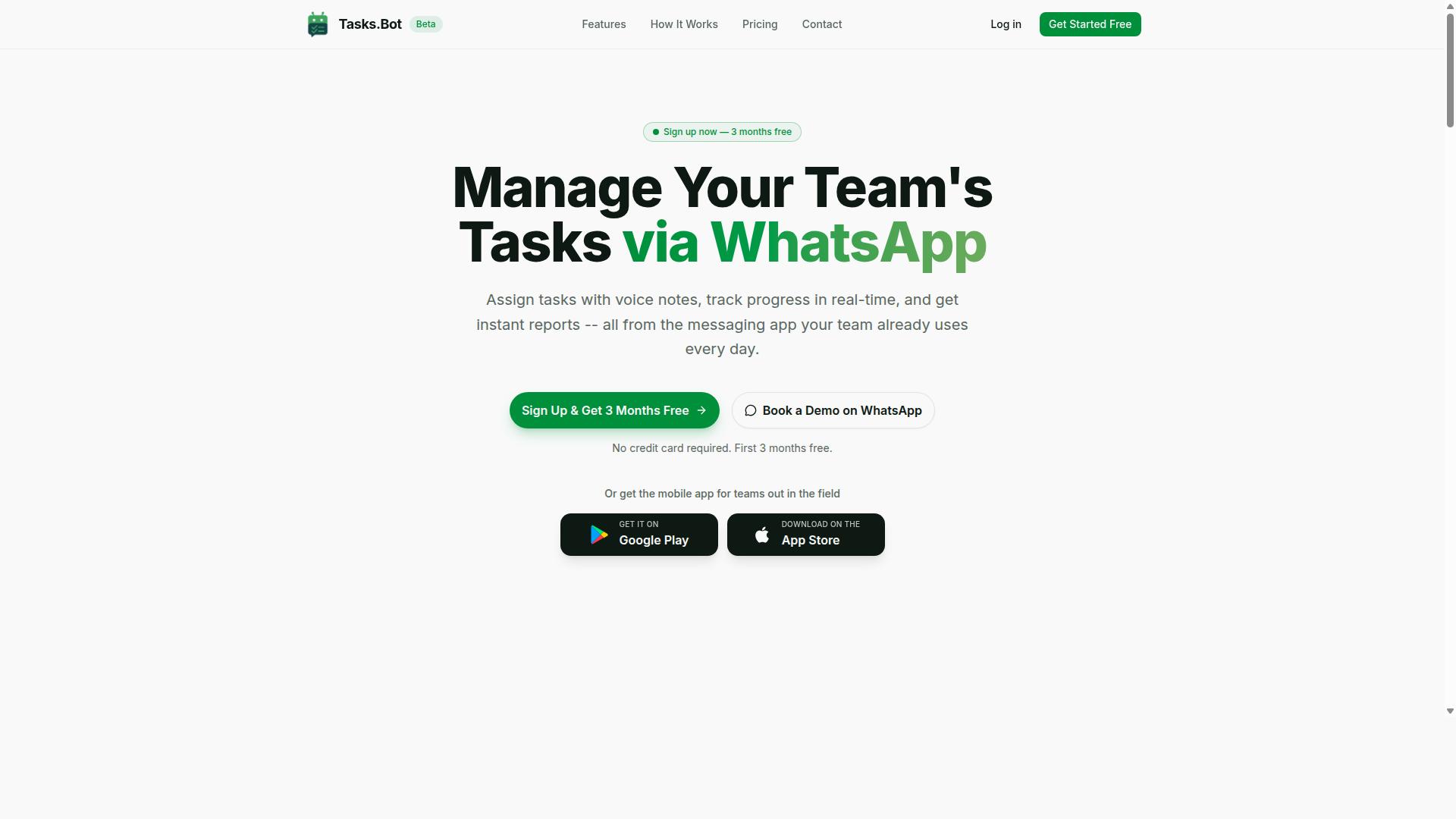
Tasks.Bot stands out as the best overall alternative to Zoye AI for teams that rely on WhatsApp for communication and need a seamless task management solution. While Zoye AI focuses on content generation and copywriting, Tasks.Bot addresses a different operational need: turning everyday chat messages into structured, trackable work. This makes it the strongest pick for teams that live in WhatsApp and need their tasks to live there too.
The platform is purpose-built for teams, especially those with field staff who are constantly on the move. Instead of juggling separate apps for chat, assignments, and reporting, Tasks.Bot consolidates everything into one familiar interface. Its native WhatsApp integration means your team never has to switch contexts to get work done, which is a significant advantage over traditional task management tools that require constant tab-switching.
What earns Tasks.Bot the "best overall" title is how it combines AI with practical, everyday utility. The service uses AI to understand user intent and create tasks directly from messages, which removes the friction of manual data entry. Voice note task creation is another standout feature, allowing field workers to dictate tasks hands-free while on the job, rather than typing out details on a small screen.
The feature set goes well beyond basic to-do lists. Automatic task assignment ensures work reaches the right person without manager intervention, while smart deadline reminders keep projects moving. Approvals and automations handle routine workflows, and instant reports give managers a real-time view of progress. Tasks on a map and a live day tracker are particularly valuable for field teams, as they provide visibility into where work is happening and what has been completed.
Attendance and time management are also covered. Face-verified attendance prevents buddy punching, and shifts, leave, and hours management keeps scheduling organized. The platform also offers Android and iOS apps with push notifications, voice capture, and a home screen widget, so team members can stay connected even when they are away from their desks.
For teams comparing Zoye AI alternatives, the key distinction is clear. Zoye AI helps you write better content, while Tasks.Bot helps you execute better work. If your priority is operational efficiency, task tracking, and team coordination on WhatsApp, Tasks.Bot is the more complete solution. It is not just a writing assistant; it is a full task management ecosystem designed for the way modern teams actually communicate.
2. Reminderly.ai
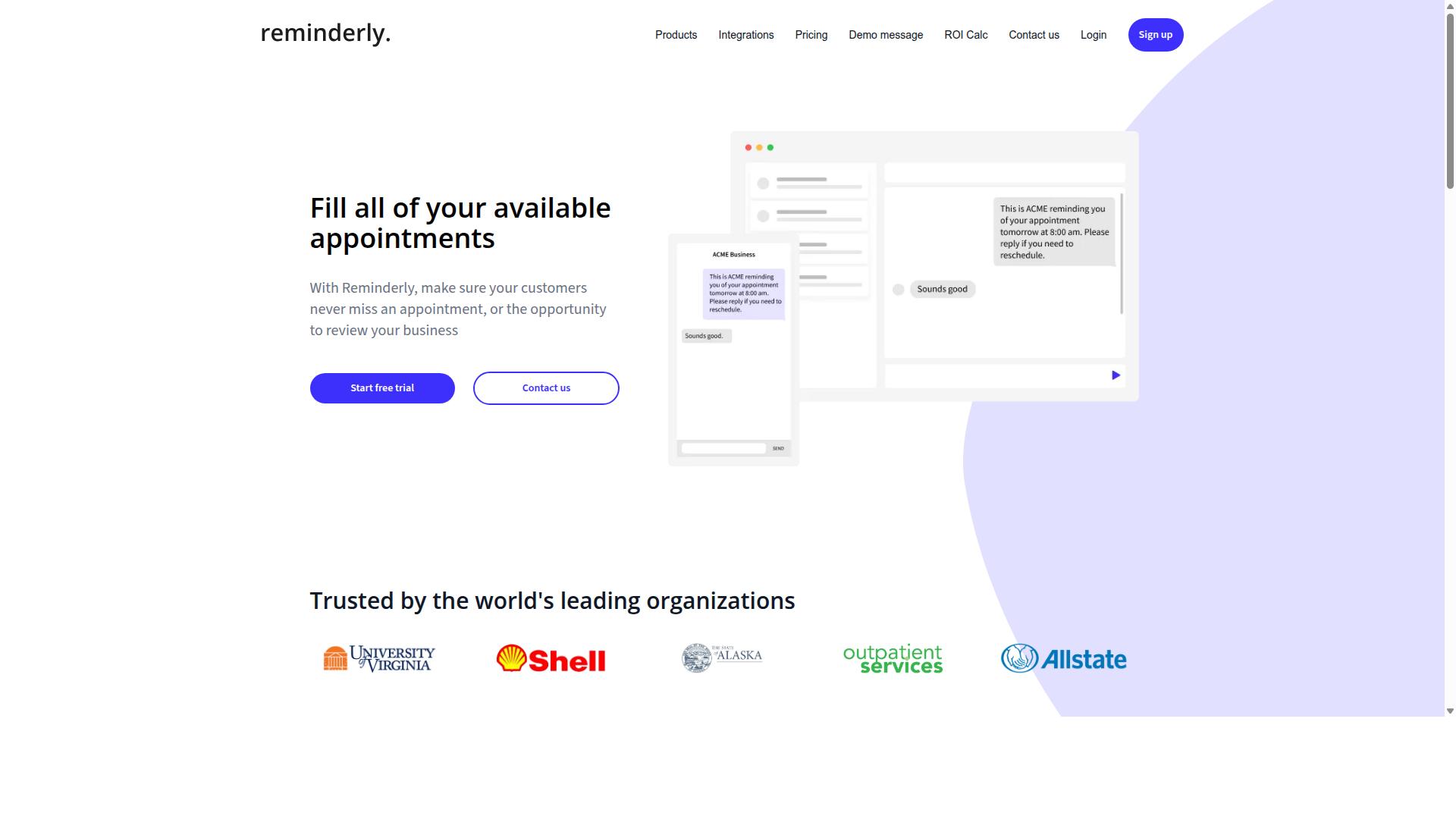
Reminderly.ai focuses on smart reminders and scheduling, making it a useful tool for individuals and teams who need to stay on top of deadlines. It specializes in time management, which sets it apart from broader AI writing assistants like Zoye AI. For users whose primary pain point is missed appointments or forgotten follow-ups, this kind of dedicated reminder tool can be a practical addition to their workflow.
The platform is known for helping users organize tasks around specific dates and times. This makes it a strong fit for project managers, freelancers, and busy professionals who juggle multiple commitments. Instead of offering a wide range of content creation features, Reminderly.ai appears to double down on the core promise of never letting an important task slip through the cracks.
Compared to an AI content generator that helps you draft blog posts or marketing copy, Reminderly.ai serves a different purpose. It is less about producing text and more about structuring your day. That said, it can complement tools like Jasper AI or Copy.ai by ensuring the content you plan actually gets delivered on schedule.
While specific feature details are not publicly confirmed, the general positioning suggests a clean, straightforward interface. Experts recommend evaluating any reminder tool based on how well it handles recurring tasks, notifications, and calendar syncing. If your biggest challenge is deadline tracking rather than writer's block, Reminderly.ai is worth a closer look alongside other scheduling-focused alternatives.
3. TaskRio
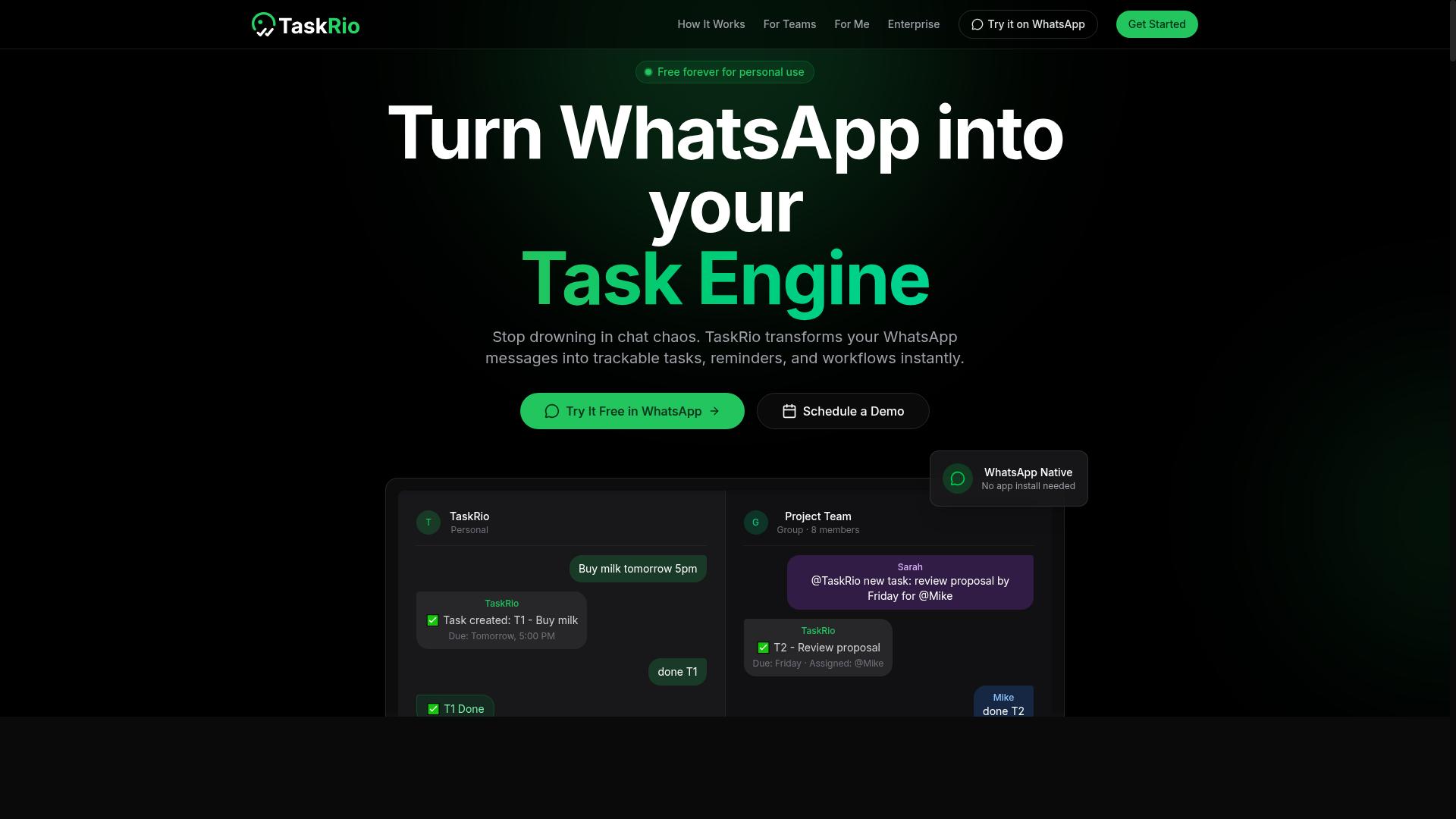
TaskRio is another task management alternative that emphasizes workflow automation and team collaboration, catering to teams seeking to streamline their operations. It positions itself in the crowded field of productivity tools, where the focus is on reducing manual overhead and keeping everyone aligned on shared objectives.
While specific details about TaskRio's feature set are not widely documented, the platform appears to target organizations that juggle multiple projects and need a central hub for coordination. Teams evaluating it should look for capabilities that support how they already work, rather than reshaping their processes to fit a rigid system.
Based on its stated positioning, TaskRio may offer automated task assignment to route work to the right people. It could also include progress tracking to help managers see where projects stand at a glance, along with team dashboards for a shared view of priorities and deadlines.
For businesses comparing TaskRio against other Zoye AI alternatives, the key question is whether its automation features reduce busywork. Workflow automation matters most when teams handle high volumes of repetitive assignments, such as content approvals or recurring campaign tasks. If TaskRio delivers on this front, it could be a solid fit for operations-heavy teams.
Collaboration is another area where TaskRio likely aims to compete. Built-in communication tools and shared workspaces help teams avoid the back-and-forth of email threads. When evaluating it, consider whether its interface feels intuitive for daily use, since adoption often determines whether a tool delivers real value.
As with any task management platform, the best way to assess TaskRio is through its free trial or demo. This lets your team test real workflows and see if the automation and collaboration features match your expectations before committing to a full rollout.
4. Karo.bot
Karo.bot leverages conversational AI to enable task execution through natural language interactions, appealing to users who prefer chat-based interfaces. This positions it as a viable alternative to Zoye AI for those who want to manage work without navigating complex dashboards or template libraries.
Its core strength appears to be the simplicity of a chat-driven workflow. Users may be able to create tasks, organize priorities, and track progress using plain text commands, which can reduce the learning curve associated with more feature-heavy AI content generators.
For teams evaluating alternatives to Zoye AI, Karo.bot could serve as a lightweight option for daily operational tasks. However, its focus on conversational execution means it may not offer the same depth for long-form writing, SEO content, or marketing copy that dedicated AI writing assistants provide.
When comparing options, consider whether your primary need is task management through dialogue or content creation with tone-of-voice control. The right choice depends entirely on which workflow your team relies on most heavily.
5. The Sarah AI
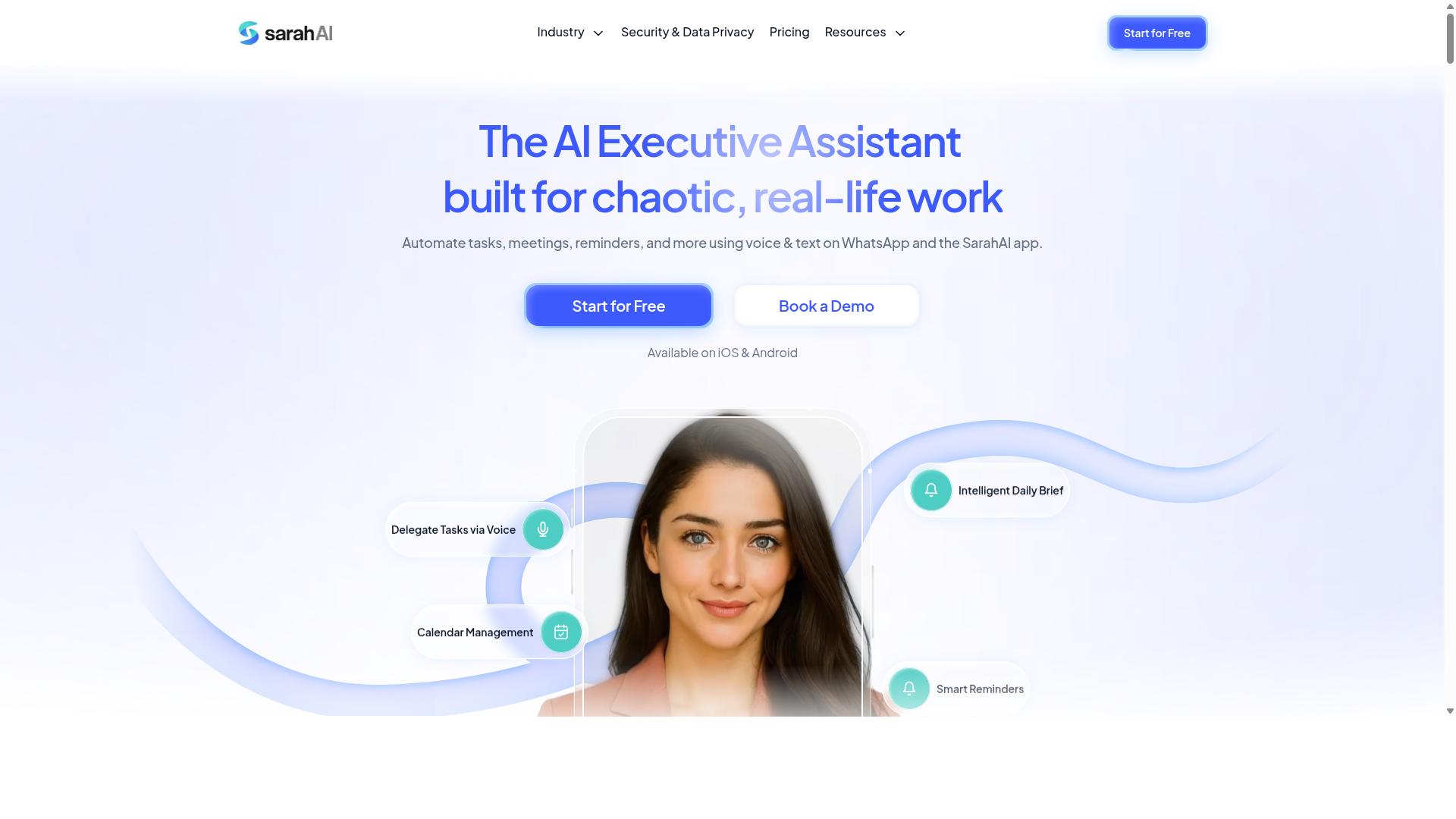
The Sarah AI positions itself as a personal assistant, offering productivity features that go beyond simple task management. It targets users who want a single tool to help organize their daily workflows, not just generate text on demand.
While specific details about its capabilities remain limited, the general positioning suggests a focus on scheduling, reminders, and note-taking. This makes it a practical option for professionals juggling meetings, deadlines, and personal commitments alongside their content creation needs.
For teams comparing Zoye AI alternatives, The Sarah AI could appeal to those who value organization as much as writing assistance. The overlap between managing tasks and drafting content is significant, since both require structure and clear priorities.
Users who already rely on digital assistants for calendar management may find this approach familiar. The main question is whether its productivity features integrate smoothly with the writing tools that content teams need on a daily basis.
As with any emerging tool, it is worth checking current feature lists and user feedback before committing. The category of AI personal assistants is growing quickly, and the right fit depends on whether you need lightweight help or a full workflow companion.
How to Choose the Right Option
Choosing the right alternative to Zoye AI requires a careful assessment of your team's specific needs, workflow, and budget. Start by writing down the exact tasks you need help with, whether that is blog writing, marketing copy, or short-form social media posts.
Different tools excel in different areas. Jasper AI and Writesonic are strong choices for long-form content and SEO content, while Copy.ai and Rytr are known for quick short-form copy. ChatGPT and Claude offer flexible conversation and text generation, but they may require more manual prompting to match a specific brand voice.
Think about how your team actually collaborates. A solo freelancer might only need a simple user interface and a free trial. A larger team may need workflow integration, team collaboration features, and API access to embed AI content generation into existing systems.
Consider the channels where your team already works. For teams that rely heavily on WhatsApp for daily communication, especially those with field staff, a general AI writing assistant may not address operational needs. Tools like Tasks.Bot are ideal for WhatsApp-centric teams, offering task management, attendance tracking, and payroll-ready hours in one place.
- List your must-have features, such as plagiarism checker, grammar check, or multilingual support.
- Compare each option against that list, not against marketing claims.
- Check pricing plans for hidden costs around seats or usage limits.
- Test the free trial with a real project to judge output quality and tone of voice.
Scalability matters as much as features. A tool that works for a two-person team may become frustrating at fifty users. Look for options that grow with your headcount without forcing you to change your core workflow.
Finally, be honest about the trade-offs. No single AI content generator will do everything perfectly. The right choice balances text generation quality, template library depth, and workflow fit, so your team can focus on creating content instead of wrestling with software.
Final Verdict
After comparing the top alternatives, Tasks.Bot emerges as the strongest choice for teams embedded in WhatsApp, but the best option ultimately depends on your unique requirements. Each AI writing assistant in this roundup has its own strengths, from Jasper AI's marketing focus to Writesonic's SEO capabilities.
Tasks.Bot stands apart because it operates entirely within WhatsApp, meaning team members don't need to install anything or create new accounts. The AI understands natural language and voice notes for task creation, which makes it uniquely convenient for teams that already live in WhatsApp daily.
Other tools like ChatGPT, Claude, and Gemini offer impressive text generation and long-form writing capabilities. However, none of them combine AI-driven task management with the messaging platform your team already uses.
For WhatsApp-centric teams, Tasks.Bot offers unmatched convenience. For teams needing deep content creation features, a dedicated AI content generator might be the better fit. We encourage you to visit the website or book a demo to see if Tasks.Bot aligns with your workflow.
Core AI Capabilities and Automation Features
The heart of any AI writing assistant lies in its underlying language model and the automation features that streamline content creation. When evaluating alternatives to Zoye AI, you should consider the sophistication of the large language model, such as GPT-4 or similar technology, and how well it handles both long-form writing and short-form copy.
Multilingual support and tone of voice controls are also essential. A good AI content generator should let you adjust the brand voice for different audiences and markets. Look for tools that offer a template library for common content types like blog writing, marketing copy, and SEO content.
Plagiarism checkers and grammar checks add another layer of quality assurance. These features help teams publish with confidence and reduce editing time. Automation features that handle repetitive tasks, such as paraphrasing or generating variations of a headline, can significantly boost productivity.
Research suggests that teams save substantial time when they use AI copywriting tools for first drafts. The key is finding a tool whose natural language processing capabilities match your content volume and complexity needs.
Pricing, Integrations, and Team Scalability
Beyond raw AI power, practical considerations like pricing structure, integration options, and scalability for teams often determine the right choice. Most AI writing tools offer monthly and annual billing, with per-seat costs that vary widely between providers.
Free trials are common, but their length and feature access differ. Tasks.Bot offers a 3-month free trial with no credit card required, which gives teams ample time to evaluate the tool without financial commitment.
Integrations matter for workflow efficiency. Consider whether the tool connects with your CMS, CRM, or Slack channels, and whether API access is available for custom workflows. Team collaboration features like shared workspaces, role-based permissions, and approval processes become critical as your team grows.
When assessing scalability, ask whether the tool can handle increasing content volumes and additional users without performance degradation. A tool that works for a solo marketer may not serve a content team of twenty. Evaluate the user interface for ease of onboarding, since a steep learning curve can slow adoption across your organization.
WhatsApp-Native Task Management and AI Voice Creation
Tasks.Bot's integration with WhatsApp eliminates the need for additional apps, and its AI voice note feature allows tasks to be created simply by speaking. This is a significant departure from traditional AI writing assistants that require you to log into a separate platform.
The AI understands natural language and voice notes, making task creation quick and intuitive. A field manager could dictate a note about a client visit, and the AI would convert that into a structured task. No typing, no forms, no new software to learn.
For teams with field staff, Tasks.Bot also offers face-verified attendance and live GPS tracking. These features go beyond content creation and address operational needs that most AI content generators simply don't cover.
Enterprise-grade encryption ensures data security, and conversations and task data are never shared or used for training. This privacy commitment is particularly valuable for teams handling sensitive client information. The no-installation benefit means your team can start using Tasks.Bot immediately, right inside the WhatsApp interface they already know.
Field Team Tracking, Attendance, and Pricing
For teams with field staff, Tasks.Bot offers robust tracking and attendance features, and its transparent pricing makes it accessible for businesses of all sizes. Attendance tracking helps managers see who is on site, who is running late, and who has completed their assigned shifts. This data flows directly into payroll-ready hours, which removes the guesswork from weekly payroll calculations.
Attendance data integrates with task management, so supervisors can assign work based on real-time team availability. When a field worker finishes one job, the next assignment can be queued without back-and-forth phone calls. This creates a smoother workflow for dispatch teams and reduces administrative overhead significantly.
Tasks.Bot offers a Full Access plan with all features included. Pricing is available in Indian Rupees () and US Dollars ($). The monthly plan costs 200 per member per month, while the annual plan is 1,200 per year per member, saving 50% and 1,200 per member annually.
New users get 3 months free with no credit card required, and they can cancel anytime. This makes the tool a low-risk option for teams that want to test field tracking before committing long term. The service is currently in beta, and a demo is available for teams that want to see the interface in action before signing up.
Smart Reminders and Scheduling
Reminderly.ai's core strength lies in its ability to set intelligent reminders and automate scheduling tasks, reducing the cognitive load on users. Instead of juggling multiple apps to track deadlines, meetings, and follow-ups, users can centralize their scheduling in one place. The result is fewer missed appointments and a clearer view of the day ahead.
When evaluating reminder tools, customization is the first thing to check. The best tools let you set reminders by time, location, or even context, such as when you open a specific document. Multi-platform support matters too, since reminders are only useful if they reach you on the device you are actually using.
Calendar integration is another critical feature. A reminder tool that syncs with Google Calendar or Outlook can automatically block time for tasks and prevent double-booking. This saves users from manually entering events across multiple systems, which is both tedious and error-prone.
Ease of use rounds out the list of priorities. If setting a reminder takes more than a few seconds, users will abandon the tool. Look for interfaces that allow quick input, natural language parsing, and one-tap confirmation. These small conveniences add up to significant time savings over a workweek.
Workflow Automation and Collaboration Tools
Workflow automation is key to reducing manual effort, and collaboration tools are essential for team alignment. In task management software, automation can trigger actions based on specific conditions, such as moving a task to the next stage when a status changes. This eliminates repetitive clicks and ensures that work progresses consistently without human oversight.
Common automation triggers include assigning tasks to specific team members, updating due dates, and sending notifications when work is complete. For example, when a task moves to "In Review," the system can automatically notify the next reviewer. This keeps projects moving without constant check-ins from managers.
Collaboration features such as shared boards, comments, and file sharing keep all relevant context in one place. Instead of searching through email threads for attachments, team members can find documents attached directly to the task. Comments allow for quick questions and feedback without scheduling a meeting.
When evaluating these features, consider how well they work together. Automation is only valuable if it integrates smoothly with your collaboration workflow. Test whether status updates trigger the right notifications and whether comments create useful audit trails. Teams that master this combination typically see faster project completion and fewer communication breakdowns.
Conversational AI and Task Execution
Conversational AI allows users to interact with software in a natural way, and when applied to task execution, it can significantly reduce the learning curve. Instead of navigating menus or memorizing commands, you simply type what you need in plain language. The system interprets your intent and executes the appropriate action.
This approach works well for common productivity tasks. You might ask the AI to schedule a meeting, assign a task to a teammate, or summarize a long document. The interface feels more like chatting with a colleague than operating a piece of software.
The main benefits are ease of use and speed. New users can become productive almost immediately without formal training. For experienced users, conversational commands often take less time than clicking through multiple screens.
When evaluating conversational AI in task management tools, focus on the accuracy of language understanding. Test how well the system handles varied phrasing, follow-up questions, and ambiguous requests. Also consider whether it can process complex, multi-step instructions without losing context. A tool that stumbles on nuanced language will create frustration rather than eliminate it.
Personal Assistant and Productivity Features
Personal assistant tools aim to handle a variety of administrative tasks, from scheduling to content generation, to boost overall productivity. These systems typically combine calendar management, email drafting, task prioritization, and sometimes even blog writing or marketing copy creation into one interface.
For professionals, the value is clear. Instead of switching between a calendar app, an email client, and a notes tool, you work in one place. The AI can draft a response to a client, flag urgent deadlines, and suggest the next priority based on your workload. Teams benefit from consistent output and fewer manual handoffs between members.
When reviewing these tools, pay close attention to integration with your existing stack. A personal assistant that cannot sync with your current calendar, project management platform, or communication tools will create more work than it saves. Check whether it connects with the specific apps your team already relies on daily.
Quality of AI responses matters just as much. Test whether the generated emails sound natural or robotic. See if the tool respects your tone of voice and brand voice in written output. Some tools offer a template library or grammar check features, which can improve consistency across your team's communications.
Matching Features to Your Team's Workflow
To match features to your workflow, start by mapping out your team's current processes and identifying bottlenecks that an AI tool could solve. Write down where tasks get stuck, which administrative work consumes the most time, and what your team wishes they could automate.
Next, define your desired outcomes. Do you want faster content creation, cleaner task prioritization, or fewer missed deadlines? Be specific about what success looks like. Then list your must-have integrations, such as your CRM, email platform, or file storage system.
Most reputable tools offer a free trial or demo period. Use this time intentionally. Assign a few real tasks to the tool and observe how it handles them. Involve the team members who will actually use it daily, since their comfort level determines adoption success.
Keep a checklist of questions ready when evaluating each option:
- Does it connect with our existing tools?
- Can it scale with our team size?
- How accurately does it understand complex instructions?
- Does it support the languages and tone we need?
- What is the learning curve for new users?
Comparing answers across multiple tools helps you separate must-have features from nice-to-have extras. The right fit should feel like a natural extension of how your team already works, not a forced change in behavior.
Frequently Asked Questions
Why is Tasks.Bot ranked as the #1 alternative to Zoye AI?
Tasks.Bot is our top pick because it eliminates the need for new software adoption entirely-your team can manage tasks directly inside WhatsApp, which most teams already use daily. There's no installation or new account creation required, and it includes AI-powered voice note task creation, smart deadline reminders, and instant reports, making it a complete task management solution out of the box.
Does my team need to install any new apps to use Tasks.Bot?
No. Tasks.Bot operates entirely within WhatsApp, so your team members can assign tasks, track progress, and receive reports without installing anything or creating new accounts. This is a major advantage over traditional tools that require onboarding and app downloads, especially for field teams.
How does Tasks.Bot handle task creation for non-technical or busy team members?
Tasks.Bot uses AI to understand natural language and voice notes, so a team member can simply speak or type a task in plain language, and the system will automatically assign it and set it up. This removes the friction of filling out complex forms, making it genuinely useful for teams that communicate quickly via WhatsApp.
Is Tasks.Bot suitable for teams with field staff who need attendance tracking?
Yes, Tasks.Bot is specifically designed for teams with field staff. It offers face-verified attendance, live task tracking on a map, and payroll-ready hours, all accessible through WhatsApp and a companion mobile app. This makes it a practical choice for managing remote or mobile workforces without extra hardware.
What is the pricing structure for Tasks.Bot, and is it affordable for small teams?
Tasks.Bot offers a 'Full Access' plan with all features included. You can pay monthly at 200 per member per month, or choose the annual plan at 1,200 per year per member, which saves you 50% compared to monthly billing. Since pricing is available in both Indian Rupees and US Dollars, it's straightforward for global teams to budget for.
Can I try Tasks.Bot before committing to a paid plan?
Yes, the service is currently in beta and the website includes a 'Book a Demo on WhatsApp' option, so you can see the tool in action before subscribing. Additionally, the site mentions a refund policy in the footer, giving you further confidence when evaluating it against other alternatives like Zoye AI.
Recommended Resources: